Last updated October 2, 2026 · Sutton Roofing, Austin, TX
Short answer: In Austin, an asphalt shingle roof typically lasts 15–20 years, a metal roof 60+ years with proper maintenance, and a tile roof 50 years or more (though the underlayment beneath tile needs attention sooner). Those shingle numbers are meaningfully shorter than the 25–30 years you’d get in a milder climate — Central Texas heat, UV, and hail can take roughly a fifth to a third off a roof’s rated life.
If you’ve ever noticed that the “30-year shingles” on your house started looking rough at year 15, you’re not imagining it. Roofs in Austin and the surrounding Hill Country live a harder life than roofs almost anywhere else in the country, and the lifespan printed on the wrapper assumes conditions we simply don’t have. Here’s what each roofing material realistically delivers in Central Texas, why our climate is so tough on them, and how to get every good year out of the roof you have.
How long does each roofing material last in Austin?
Here are the realistic Central Texas service lives we see, compared with the manufacturer ratings:
| Material | Rated lifespan | Realistic in Austin |
|---|---|---|
| 3-tab asphalt shingles | 20–25 years | 10–15 years |
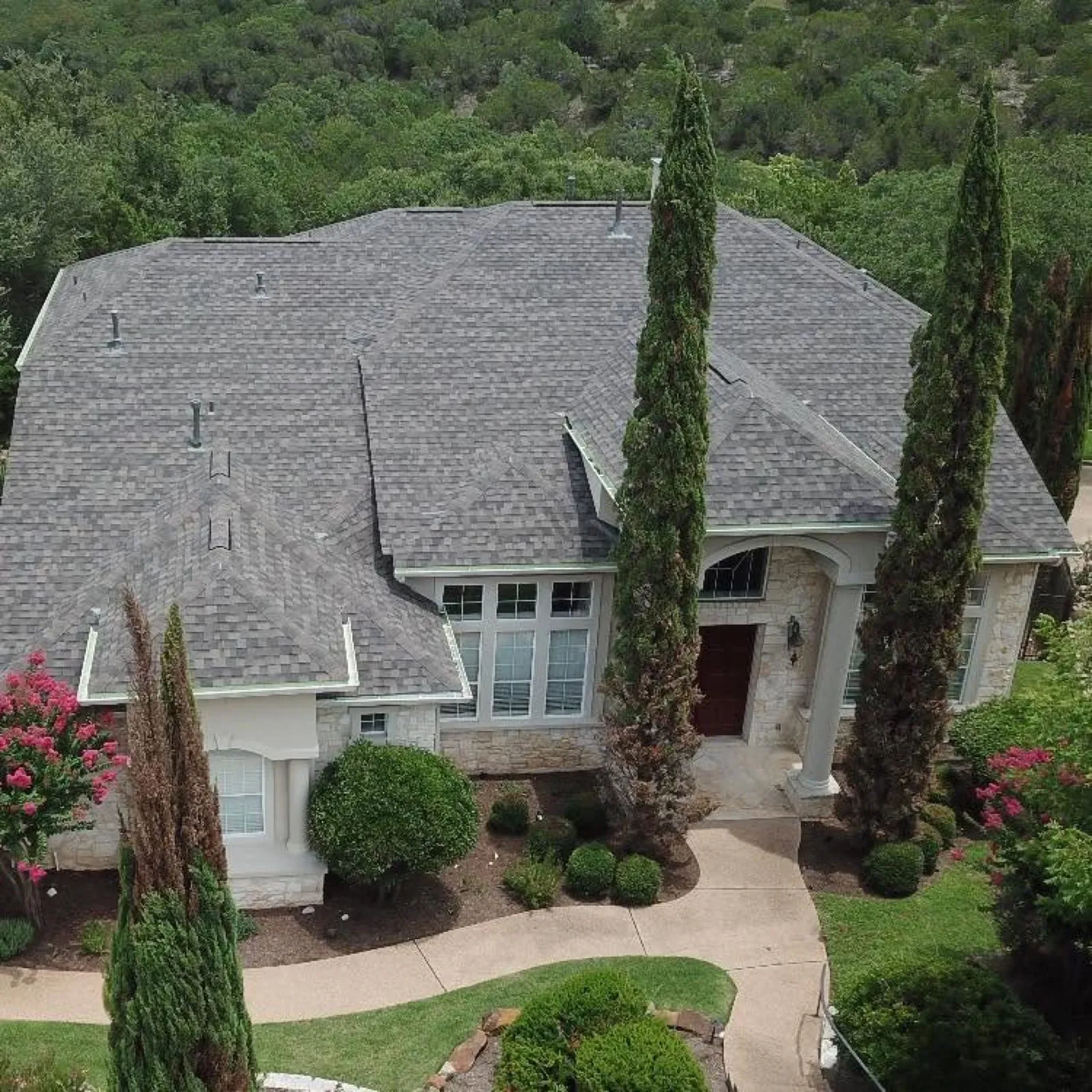
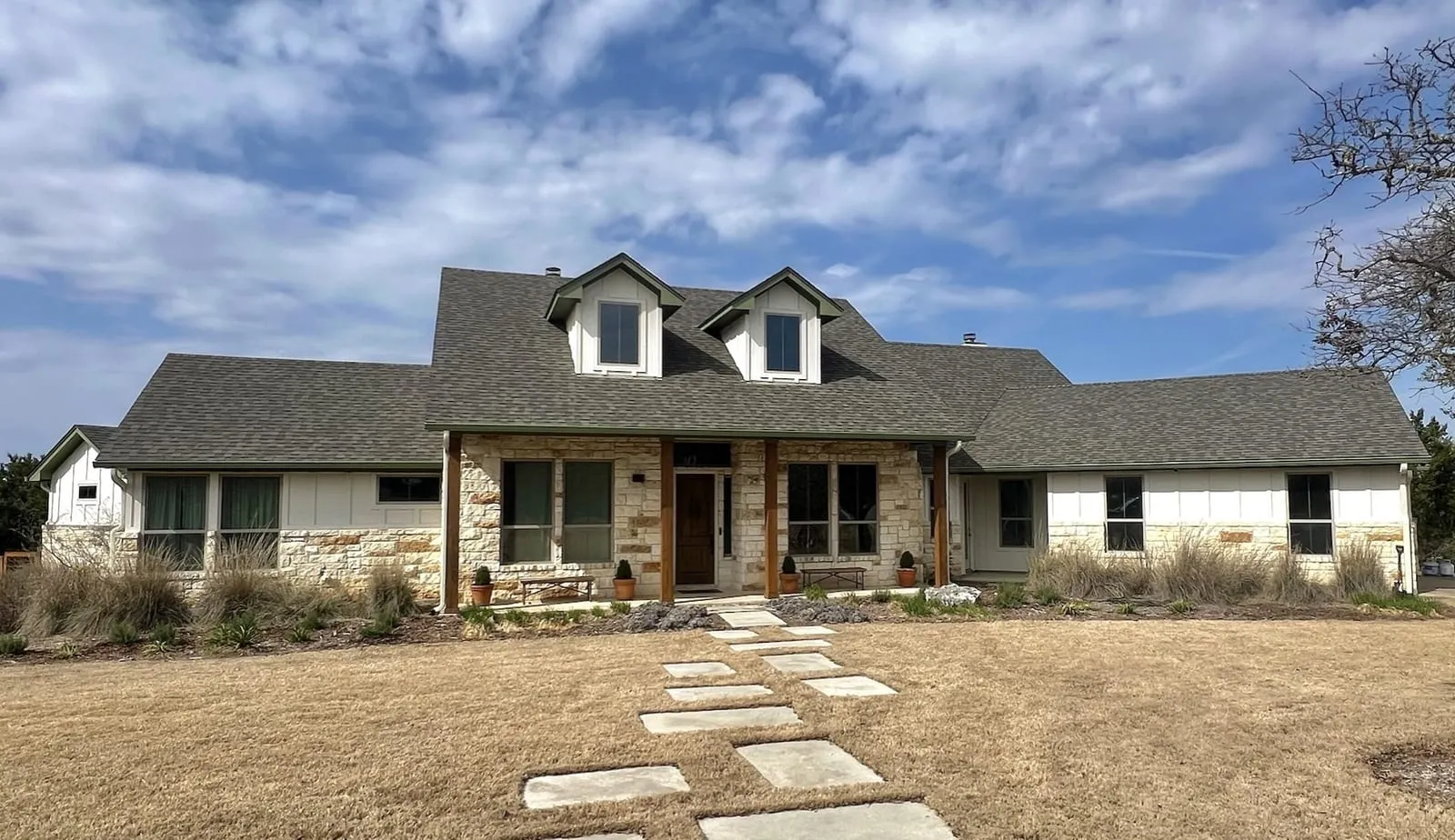
| Architectural asphalt shingles | 25–30 years | 15–20 years |
| Class 4 impact-rated shingles | 30+ years | 15–22 years, with far better hail survival |
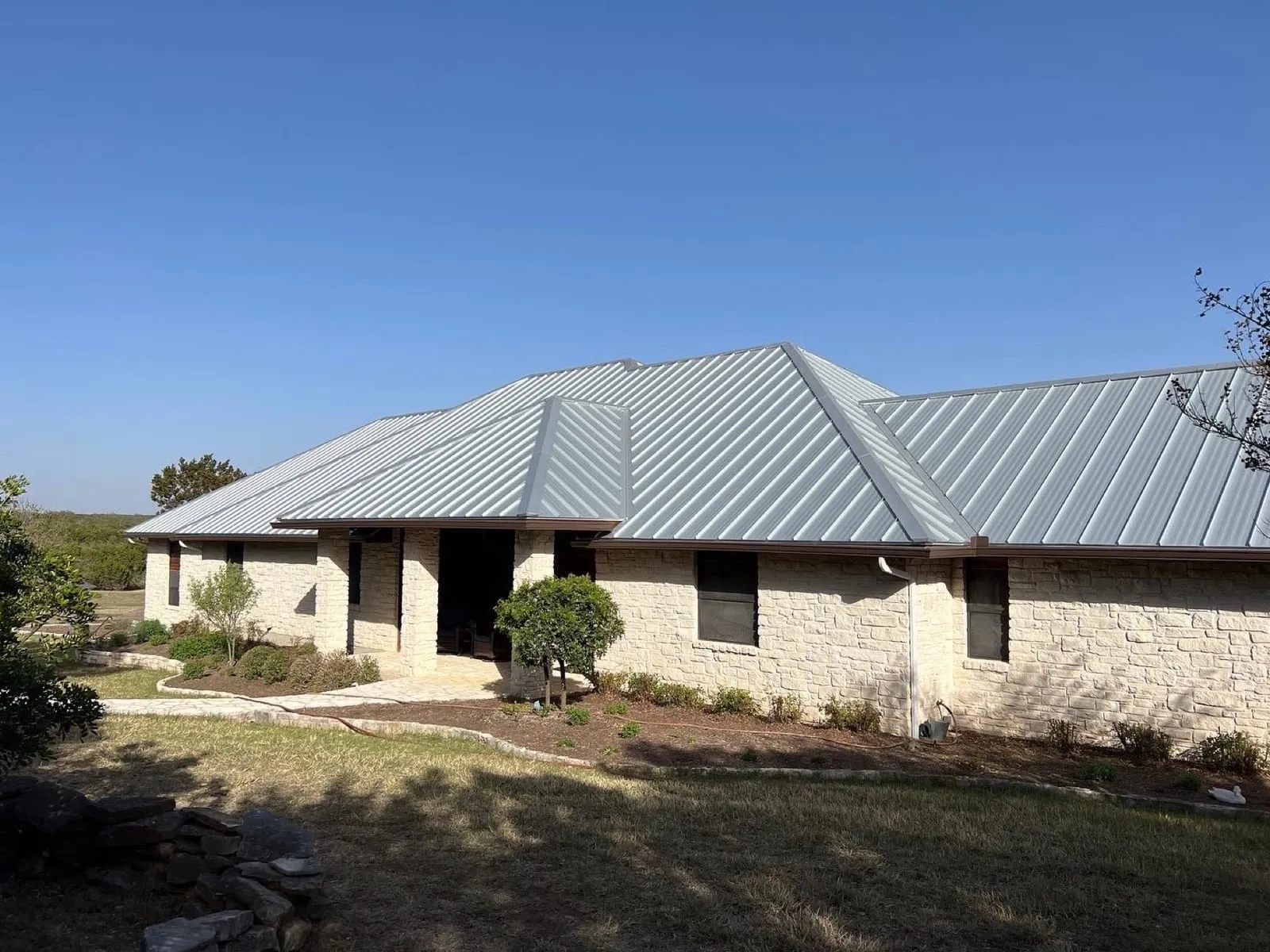
| Standing seam metal | 40–70 years | 60+ years with maintenance |
| Stone-coated steel | 40–70 years | 60+ years with maintenance |
| Clay or concrete tile | 50–100 years | 50+ years (underlayment: 20–25) |
A few notes on reading that table honestly:
- Asphalt shingles are still the most common roof in Austin because they’re the most affordable to install — but they’re also the material our climate punishes hardest. The gap between rated and real life is widest here.
- Metal roofs age far more gracefully in Texas heat. The main caveat is hail: large hail can dent metal panels, and some insurance policies treat those dents as cosmetic and won’t pay for them.
- Tile roofs are the long-distance champion, but the tile isn’t the whole system. The underlayment beneath it wears out decades before the tile does, which is why even a “lifetime” tile roof needs professional attention around the 20–25 year mark.
Why do roofs wear out faster in Austin?
Because Central Texas stacks three roof-killers on top of each other: heat, thermal shock, and hail.
Heat and UV. Austin summers bring weeks of triple-digit days, and a shingle roof in direct sun runs far hotter than the air — surface temperatures well above 150°F are normal. That heat cooks the oils out of asphalt shingles, leaving them dry and brittle, while the intense UV breaks down the surface. Curling edges and granule loss are the visible result.
Thermal shock. Our weather doesn’t just get hot — it swings. When a sudden storm drops cool rain on a 150°F roof, the materials contract fast. Repeated hot-cold cycling like that fatigues shingles, opens gaps at flashing, and works fasteners loose over the years. Milder climates simply don’t do this to a roof several times each season.
Hail and wind. Austin sits in one of the country’s most active hail corridors, with a storm season that runs roughly March through August. Even hail that doesn’t leak right away bruises shingles and knocks off granules, quietly aging the roof years ahead of schedule. Our guide to spotting hail damage covers what that looks like up close.
What else affects how long your roof lasts?
The same roof on two Austin houses can age very differently. The biggest variables:
- Installation quality. More Texas roofs die early from poor installation than from any material shortcoming. Correct nailing, flashing, and ventilation details matter more than the brand of shingle.
- Attic ventilation. A poorly vented attic in an Austin summer can push past 140°F and bake your shingles from below while the sun works on them from above. Good intake and exhaust ventilation is one of the cheapest ways to add years to a shingle roof.
- Sun exposure and shade. South- and west-facing slopes take the worst of the afternoon sun and usually show wear first. Some tree shade helps — though limbs overhanging the roof cause their own problems.
- Maintenance. Small problems become big ones quickly here. A lifted shingle or worn pipe boot that gets a prompt repair is a minor line item; the same issue left through a storm season becomes a leak, decking damage, and interior repairs.
Is your roof’s age costing you insurance coverage?
Quietly, yes — and this is the part most Austin homeowners don’t find out until claim time. Many Texas insurers automatically reduce older roofs to Actual Cash Value coverage, commonly at 15 years and sometimes as early as 10. That means an aging roof isn’t just closer to the end of its service life — it’s also insured for less every year, because depreciation comes out of any storm payout.
So a 16-year-old shingle roof in Austin is often carrying two costs at once: it’s in the highest-risk stretch of its life for hail season, and a claim on it would pay out at a fraction of replacement cost. We break down exactly how that works in our guide to how insurance covers roof replacement in Texas. For a lot of homeowners, that math — not a leak — is what makes the timing of a replacement decision.
How do you know when it’s time to replace?
Age alone isn’t the trigger — condition is. Watch for these end-of-life signs:
- Shingle edges curling, cupping, or cracking
- Granules collecting in gutters and downspouts, or bald, shiny patches on shingles
- Repairs becoming a yearly event instead of a rare one
- Daylight or moisture showing in the attic
- Sagging areas or spongy decking underfoot
If your roof is past 15 years and checking any of those boxes, it’s worth understanding your options before the next storm forces the decision. Our Austin roof replacement cost guide covers what a new roof runs by material, and if you’re weighing repair against replacement, an honest replacement assessment will tell you which side of the line you’re on.
How to get more years out of the roof you have
You can’t change the Texas sun, but you can control almost everything else:
- Get it inspected regularly — ideally once a year and after any significant hail. Problems caught early are the cheap kind.
- Fix small issues immediately. Pipe boots, flashing, and a few damaged shingles are inexpensive; the water damage they let in is not.
- Keep gutters clear so water drains off the roof edge instead of backing up under shingles.
- Address attic ventilation. If your upstairs is hard to cool in summer, your attic is probably cooking your roof too — routine maintenance can address both.
- Choose impact-rated materials when you do replace. Class 4 shingles or metal cost more upfront, but in a hail corridor they pay for themselves in longevity — and many insurers discount premiums for them.
Not sure how much life your roof has left?
If your roof is getting up in years — or you just don’t know what shape it’s in — don’t wait for a leak to find out. Schedule your free roof inspection and we’ll give you a straight answer on its condition, how many years it realistically has left, and whether repair, maintenance, or replacement makes the most sense. No pressure either way.
Sutton Roofing is a family-owned roofer serving Austin and the Central Texas Hill Country, helping local homeowners get the longest life out of their roofs since 1979.